
Why Does My Garage Door Shake or Vibrate When Opening?
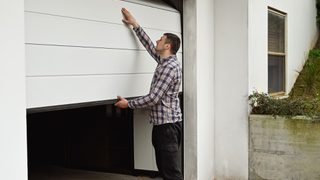
Sudden, uneven movements in your garage door’s opening motion are not something to ignore. Ideal garage door operation should be smooth and effortless. If your door starts shaking or vibrating, it often indicates an underlying issue. There are a variety of reasons your garage door is shaking or vibrating, and each one of them is a sign that you should schedule professional maintenance to inspect and repair any issues.
Loose Hardware
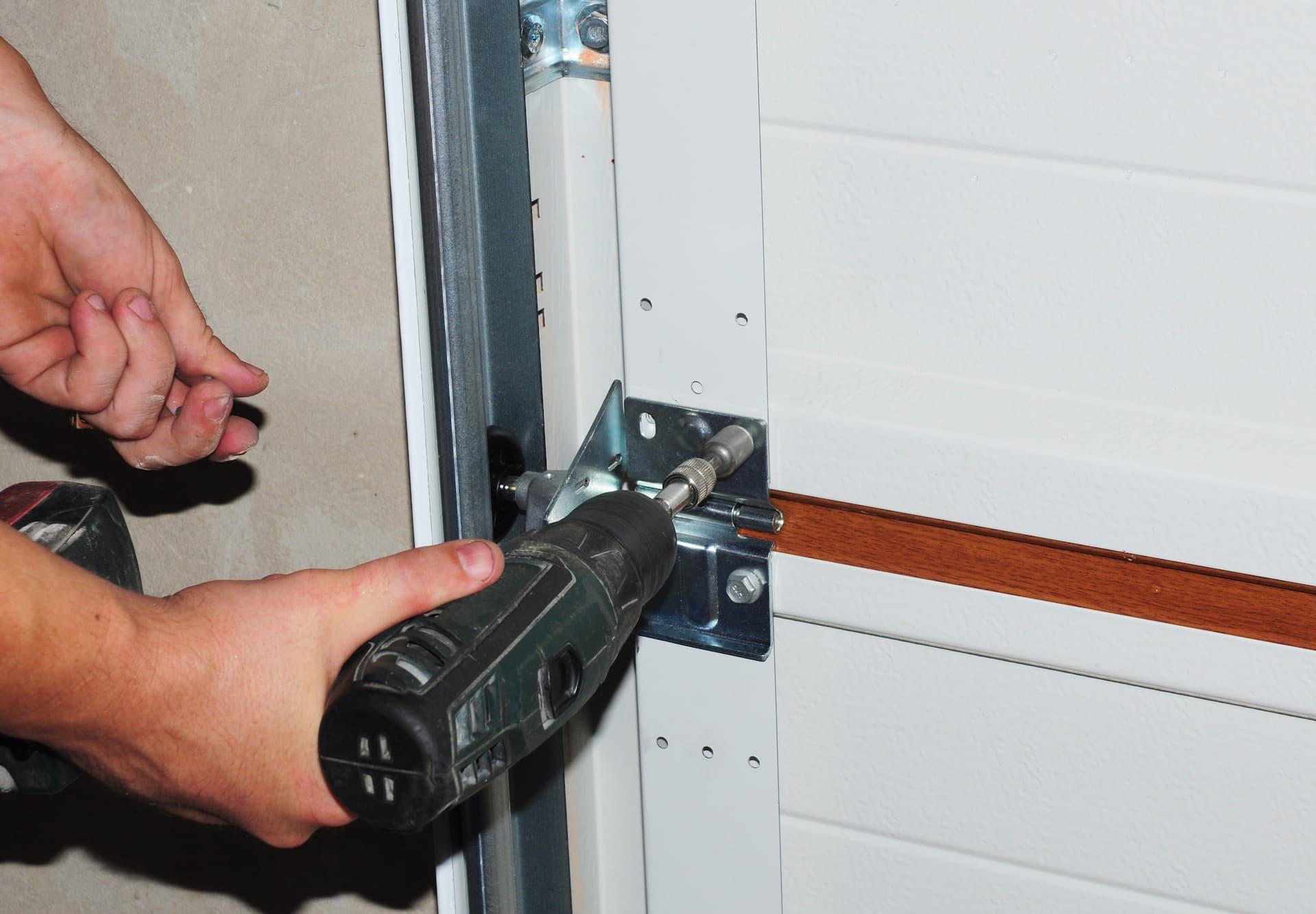
A garage door depends on many small parts for smooth and quiet operation. These components, which can include hinges, bolts, and screws, secure various parts of the door and are responsible for maintaining smooth and stable movement. If any of those parts are loose, it can compromise your door’s stability and integrity, leading to jerking and shaking movements while it’s in motion.
Garage door maintenance professionals will inspect your door to identify any loose bolts or screws and tighten them to factory specifications. In some cases, the hardware may need to be replaced. Screws and bolts can become stripped and damaged over time. Addressing loose hardware can restore your door’s stability, ensuring smooth and quiet operation.
Damage to Rollers
Damaged garage door rollers can be a significant contributor to shaking or vibrating during operation. The rollers are the components that are responsible for guiding the door along the tracks. Over time, they can become cracked, worn, or misaligned.
When the rollers are damaged, it causes your door’s movement to become uneven, which is where the shuddering, jerking, or vibrating comes from. The extra friction places more strain on the motor, and without swift intervention, you may be facing increased energy consumption and motor burnout.
A garage door service technician will be able to diagnose the issue via a thorough inspection of your system. They will check for signs of damage or misalignment and replace any rollers as needed with new ones that are compatible with your door’s type and weight.
Problems with Track Alignment
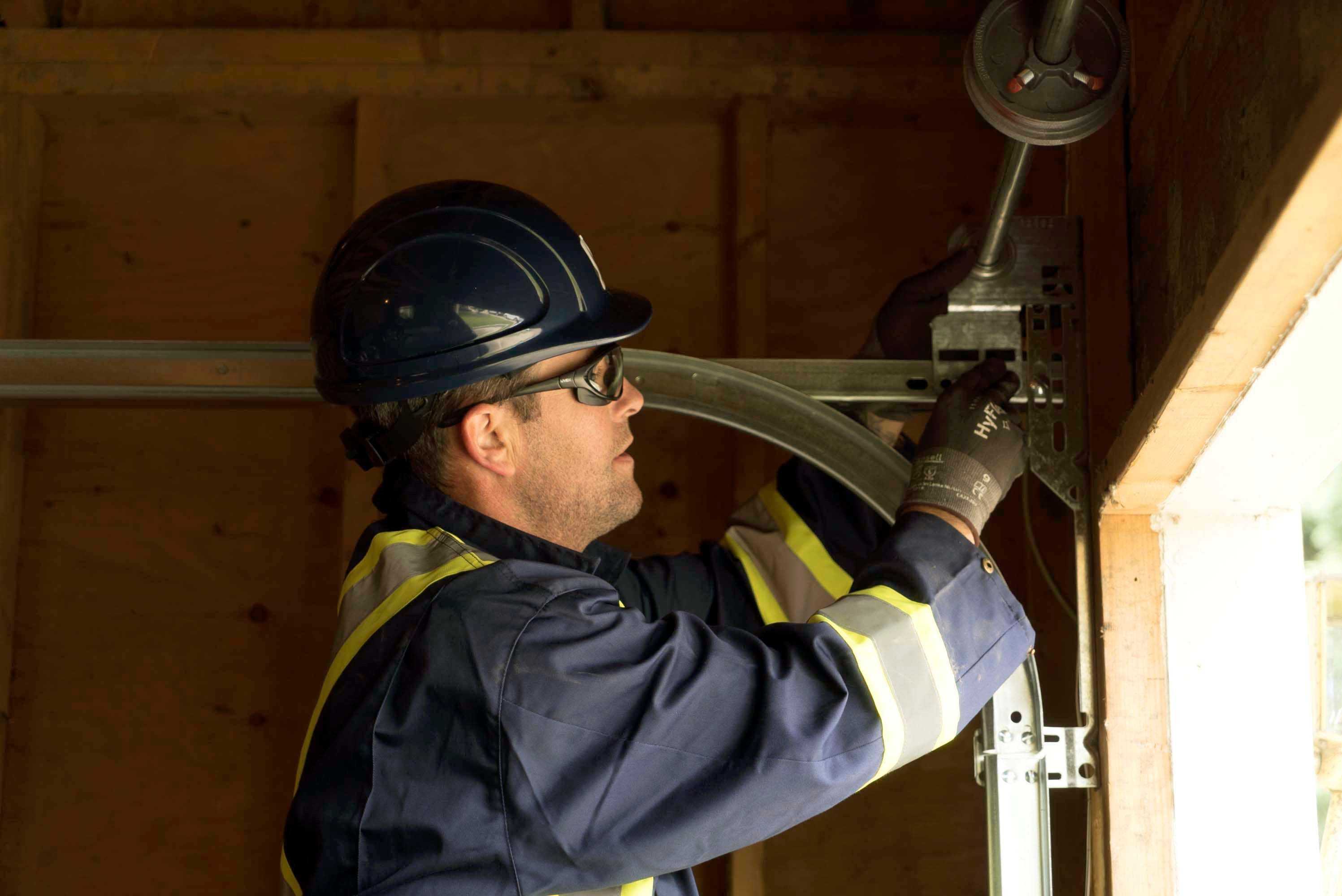
Your garage door’s tracks must be perfectly aligned so that the rollers can glide smoothly along during motion. If one of the tracks is slightly bent, dented, or misaligned, the rollers can bind or jump, which can cause your door to shudder. If the shaking happens in the same spot every time, that can indicate the problem lies with the track alignment.
An experienced garage door repair technician will inspect your tracks to ensure that there are no problems and correct any issues found. It’s important that this is done by a professional, as incorrectly adjusted tracks can increase vibration and increase the risk of the door going off the track.
Malfunctioning Pulleys
There are two main types of pulleys for garage doors; the press fit pulley and the cast-iron pulley. If these components are not maintained properly, they can cause the door to jerk during operation. The most common type is the press fit pulley, which has an average lifespan of around 3 to 5 years, after which the pulley components may begin to separate or fail. The cables will start to fray and the ball bearings end up crushing each other from captured dirt and dust. If a service professional finds that your pulley is indeed the issue, they’ll lubricate it to improve movement or replace it entirely.
Cast-iron pulleys, on the other hand, are less likely to suffer from issues. They are made from a single piece of cast iron and therefore will not split. If your garage door is shaking, but you have a cast-iron pulley, the problem is likely elsewhere.

Broken Springs
Broken garage door springs can greatly affect the operation of your system, turning it into a noisy and clunky mess. Springs are the component that is responsible for counterbalancing the operation of the door, allowing it to open and close with little effort. However, these springs can lose tension over time, causing your door to be unbalanced and erratic.
A service professional will inspect your springs to check for signs of wear and tear, such as rust, cracks, or sagging. If the springs are worn, the service professional will replace them. Please keep in mind that garage door spring replacement is a complex task that requires special knowledge and tools. Attempting to fix the springs improperly can be extremely dangerous.
Problems with the Garage Door Opener
Sometimes the problem may lie with the garage door opener rather than the door itself. If your opener is struggling, misaligned, or has a worn drive system, it may be pulling unevenly, which causes vibrations in the door. Possible causes include loose opener mounting, a chain drive that is not fitted correctly, worn gears inside the opener, or travel limits that need adjustment.
Planned Maintenance from the Experts at Creative Door Services
Rather than waiting for problems to present themselves, you can save yourself a lot of headaches by being proactive about maintenance. Planned maintenance from the licensed and experienced professionals at Creative Door Services gives you a way to prevent garage door issues such as shaking and vibrating during operation. A technician will thoroughly inspect your garage door, note any potential problems, and provide solutions immediately rather than waiting for them to turn into much bigger issues and more costly repairs.
Trust Creative Door Services with Your Garage Door Repairs
At Creative Door Services, we know garage doors inside and out and we’ve helped countless homeowners fix problems with their garage doors. Whether you need someone to diagnose and repair vibrating and shaking in your garage door or you want to conduct planned maintenance to prevent future problems, you can count on us.
We have locations in Kelowna, British Columbia; Vancouver, British Columbia; Calgary, Alberta; Edmonton, Alberta; Fort McMurray, Alberta; Regina, Saskatchewan; Saskatoon, Saskatchewan; and Winnipeg, Manitoba, which gives us the ability to help homeowners throughout Western Canada. Contact Creative Door Services today and let our experts restore your garage door's smooth, reliable performance.